OVERVIEW
Unified Interface for Building Control Technology
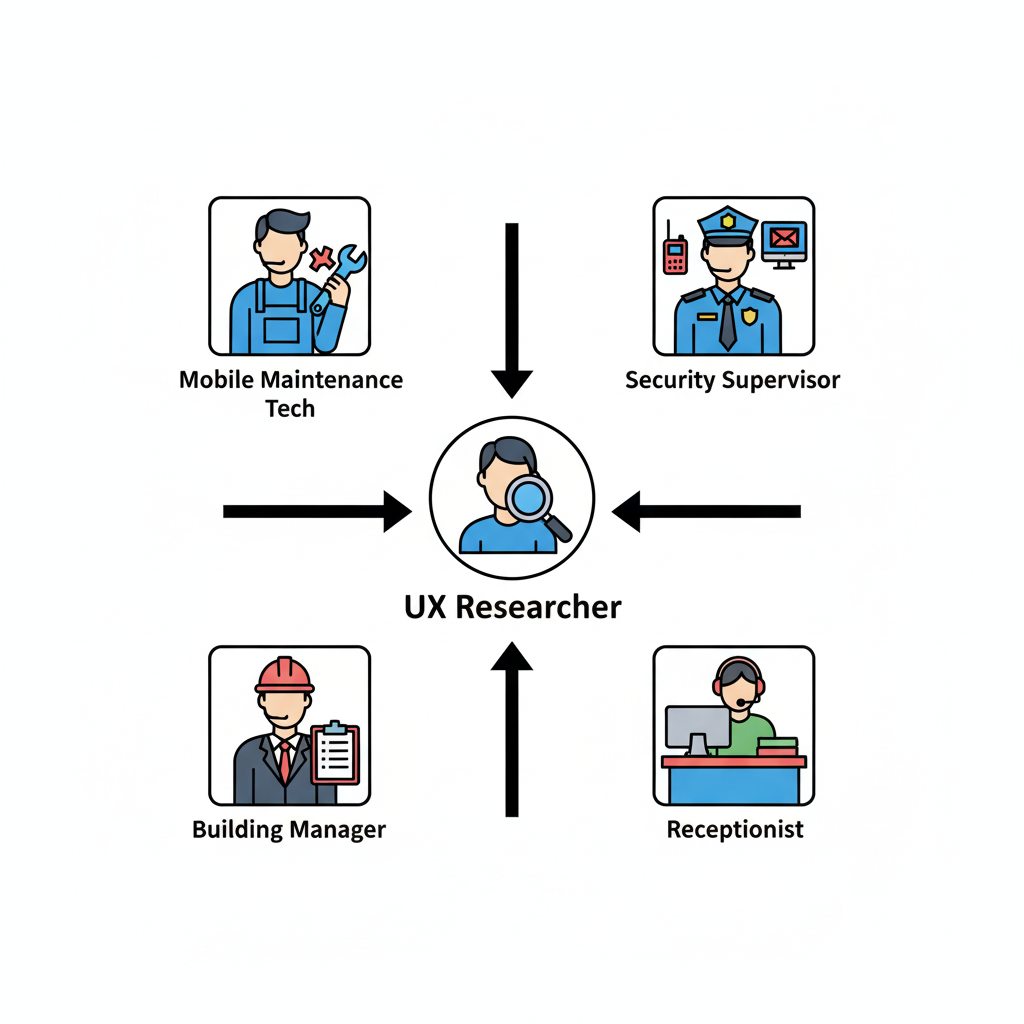
I led the redesign of BCG’s global building technology interface, which lacked a standardized GUI and created operational blind spots, high onboarding costs, and heavy support volume across regions. Within a six-week MVP window, I directed a research and interaction design initiative to unify the experience for more than 10 stakeholder groups with distinct workflows.

SITUATION
BCG’s global building technology systems lacked a standardized UI.
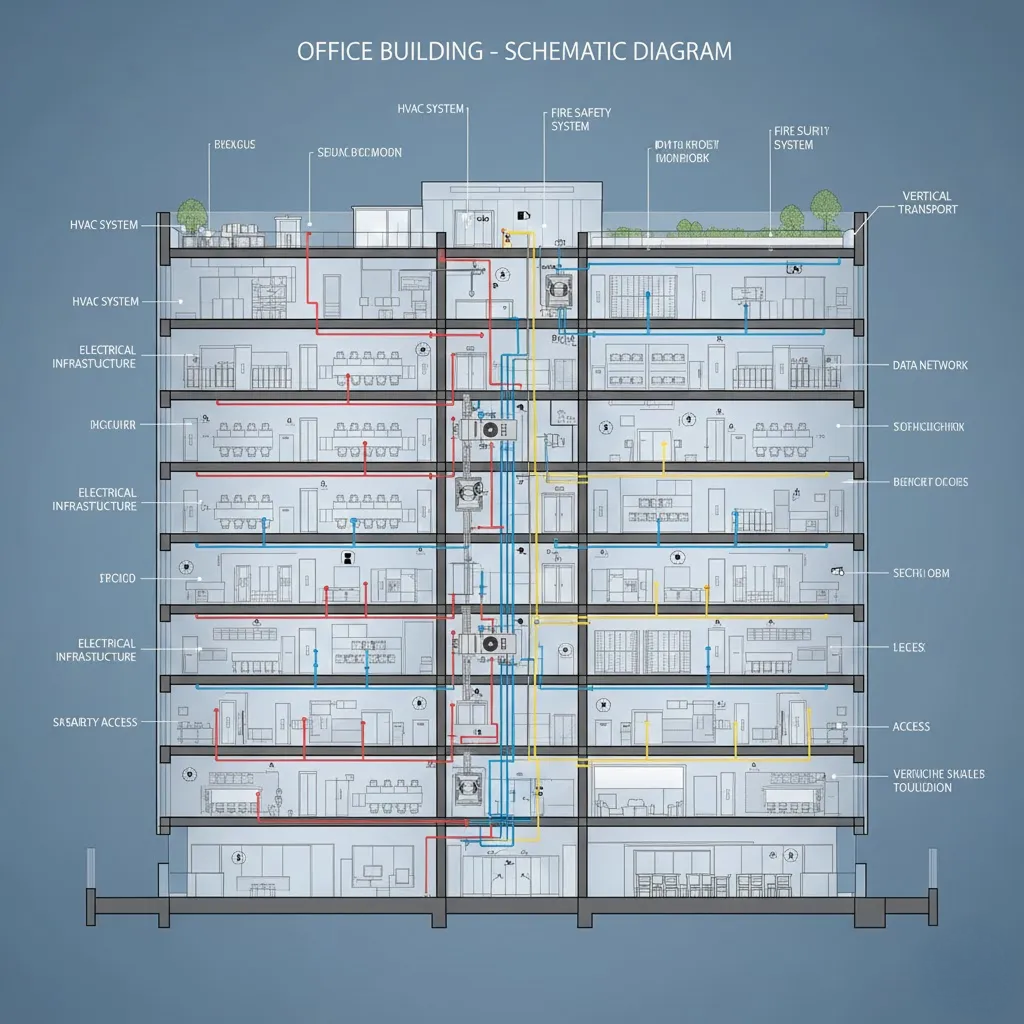
Different regions and stakeholder groups were operating within fragmented interfaces and inconsistent workflows, which created operational blind spots and made it difficult to gain a unified view of building performance.
The absence of a cohesive experience significantly increased onboarding time for new users and drove a high volume of support tickets. With over 10 stakeholder groups, ranging from facilities teams to leadership and operations, the system had become complex, inefficient, and difficult to scale globally.
TASK
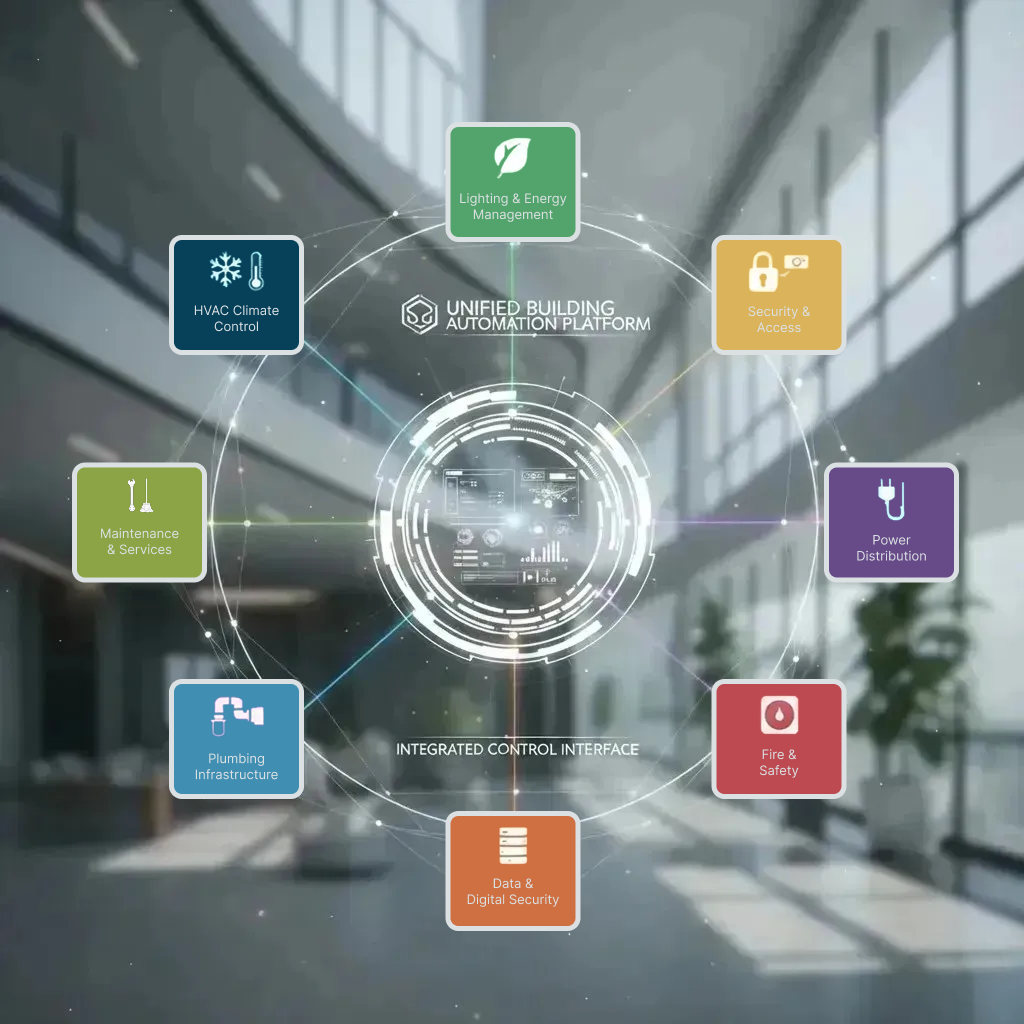
I was tasked with leading a research and interaction design initiative to unify the interface across stakeholder groups within a tight six-week MVP window.
The goal was not just visual consistency, but functional clarity, creating an experience that could support distinct user needs while reducing cognitive load, onboarding time, and reliance on support.
The challenge was balancing depth for power users with simplicity for infrequent users, all within existing technical constraints.
ACTION
User research
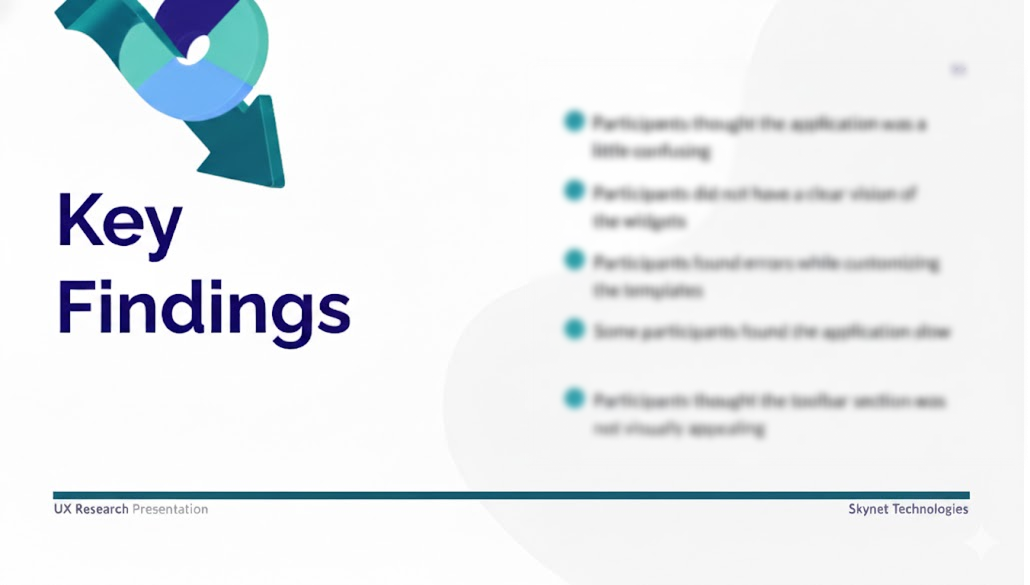
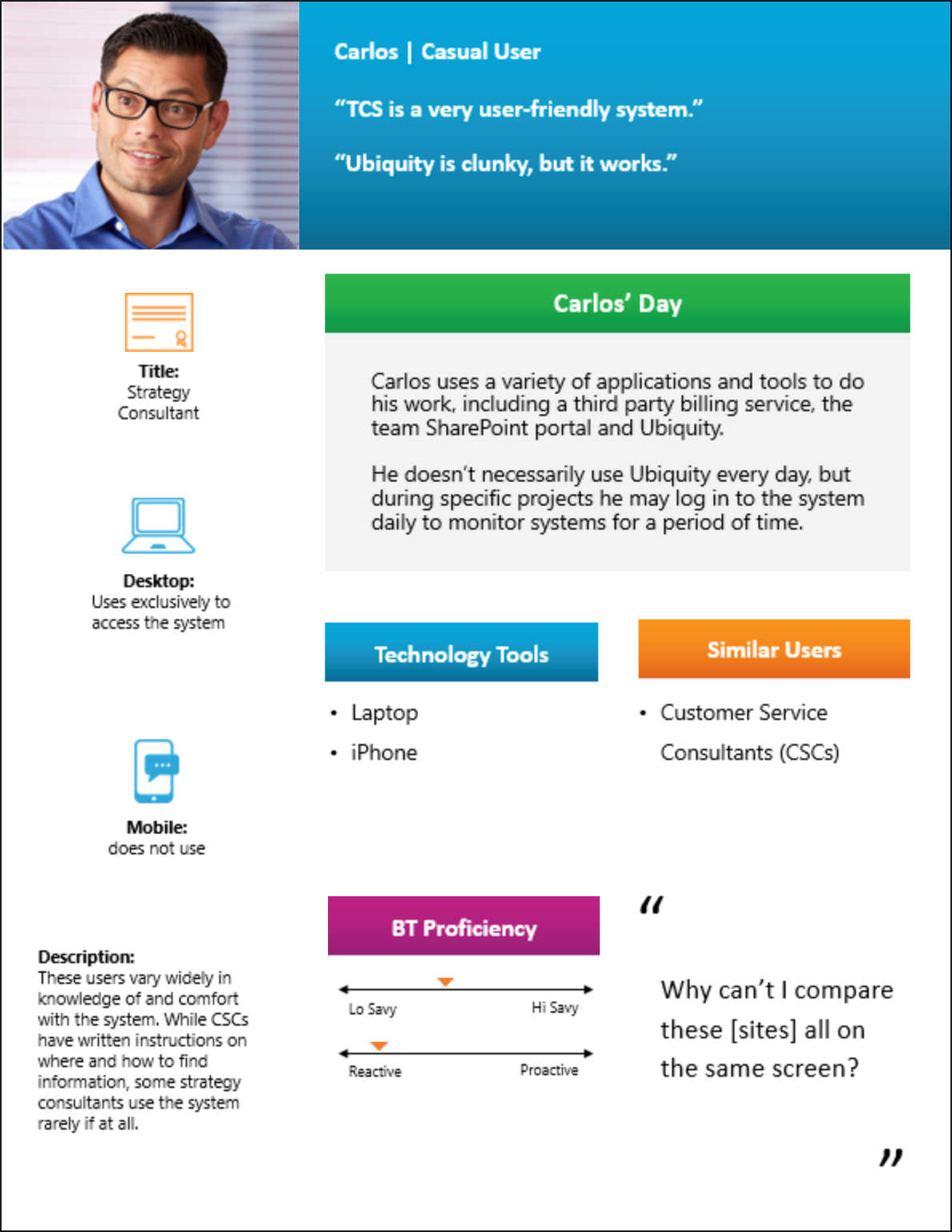
I began by conducting 50+ user interviews across regions and roles to deeply understand workflows, pain points, decision-making patterns, and frequency of use. From this research, I segmented users into three behavioral archetypes:
Heavy users – daily operators who required efficiency, data density, and speed
Regular users – recurring users who needed clarity and task-oriented workflows
Casual users – infrequent users who prioritized simplicity and guided navigation
Stakeholder BUY-IN
This segmentation helped reframe the problem from “one interface for everyone” to “one system that adapts to usage patterns.”
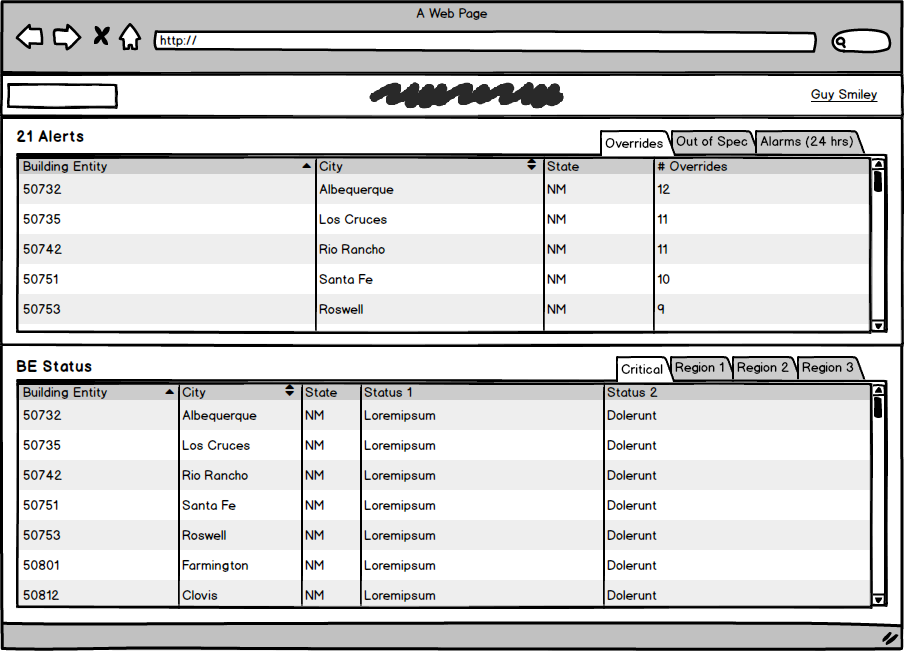
Initially, I explored a tabbed architecture to compartmentalize workflows. However, backend processing limitations made that structure infeasible without significant re-engineering, which exceeded the MVP timeline.
Design phase
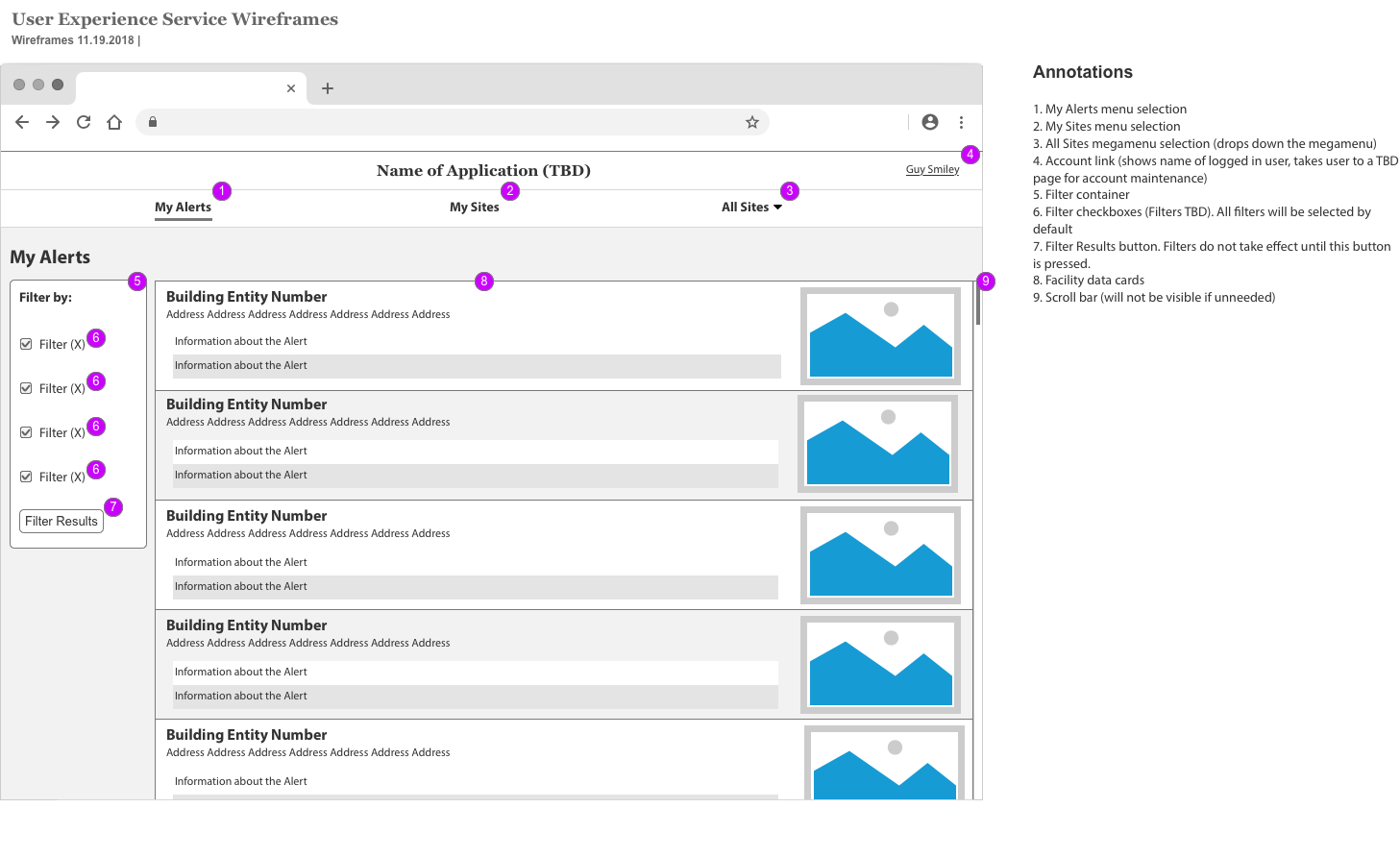
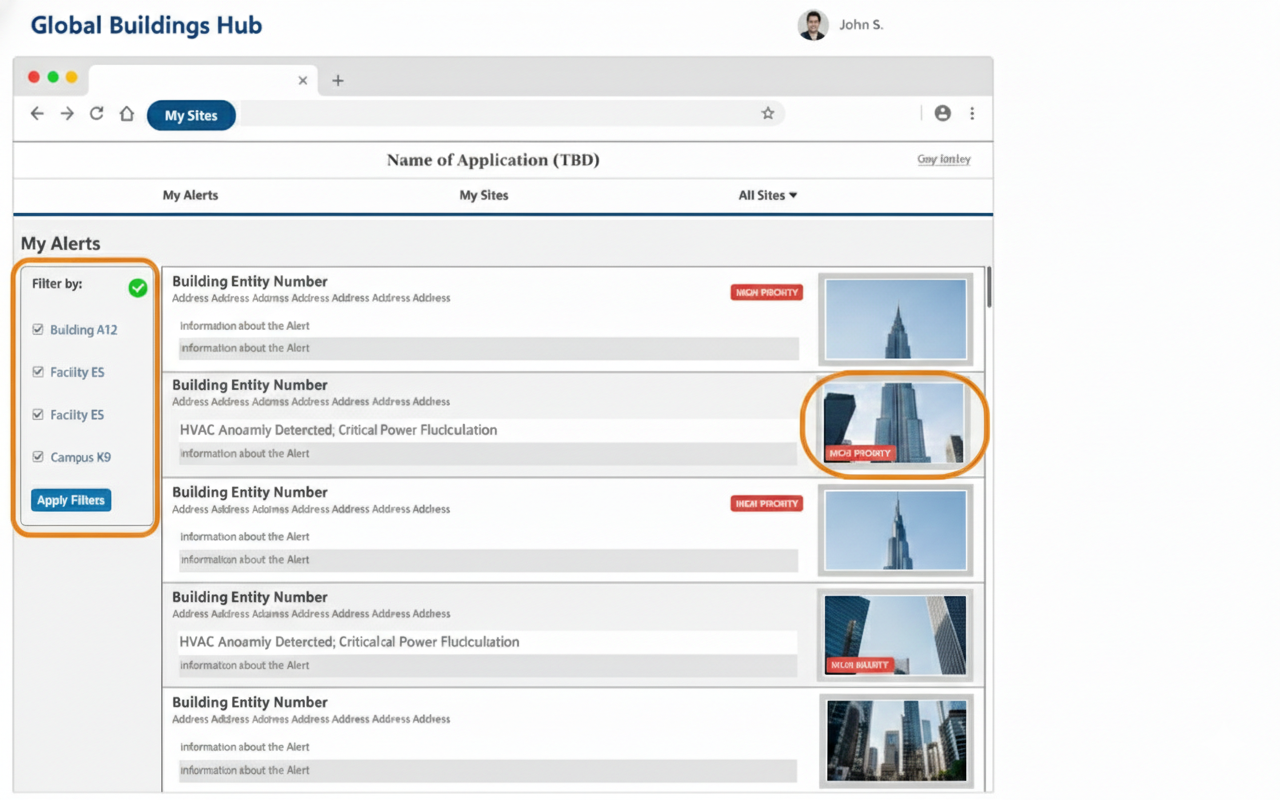
To solve this, I pivoted to a travel-booking-inspired filter pattern — a dynamic filtering system that allowed users to progressively refine data and surface relevant insights without navigating away from context. This approach preserved efficiency for Heavy users while maintaining clarity for Casual users, all within the constraints of the existing system architecture.
RESULT
The redesigned MVP delivered measurable operational impact:
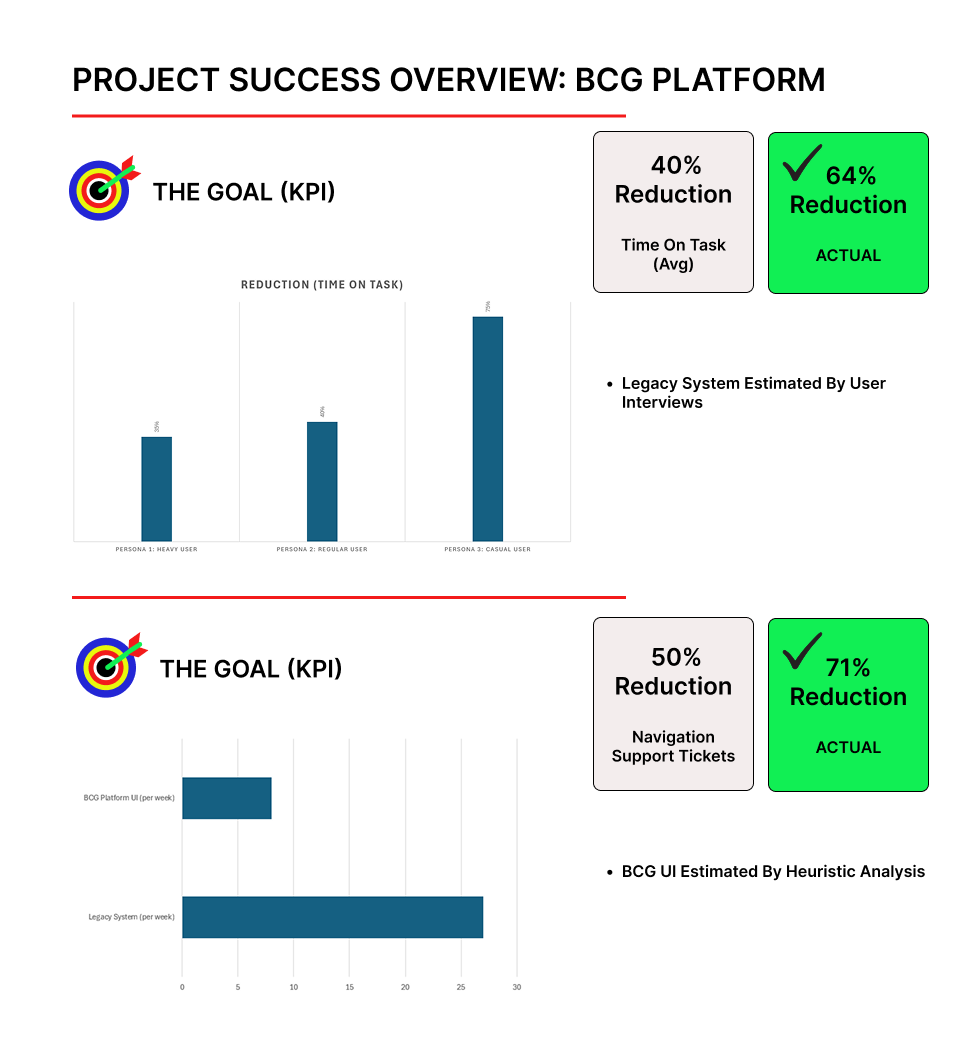
64% reduction in Time on Task
71% decrease in support tickets
Beyond the metrics, the system established a scalable design foundation for global building technology at BCG.
It improved visibility across regions, reduced friction between stakeholder groups, and transformed a fragmented toolset into a unified, adaptable experience.